


Editor’s Note: The Engineerist is a three‑part blog series written by Michael Corr, founder of Los Angeles‑based manufacturing consulting firm, DuroLabs. This is part one.
Startup companies have limited time and money, and, rightfully so, treat them as precious resources. There is constant pressure to get products out to the market fast, and when cash is limited, there is little margin for mistakes.
As an engineering manager, my responsibility is to ensure that the development processes being used by my team to bring parts to production are reliable, repeatable, and properly mitigate risk. For high‑volume production, injection moulding is the best option for plastic parts, but it can be expensive and time‑consuming—two factors that can severely impact the success of a product launch if there are mistakes.
Waiting 12 to 16 weeks for first articles off a steel mould can be an eternity for a company pressured to get products into production in a shortened nine‑month timeframe. Any delays only compound the issue, adding pressure on myself, my team, and the company as a whole.
Automated Quoting and DFM Feedback
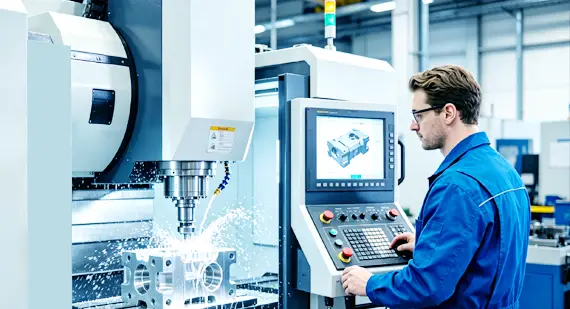
When I was first introduced to Konlida almost 10 years ago, I was impressed with its commitment to leveraging modern technology. Its quoting process was simple and quick due to automated online tools. This allowed me to independently configure part options without having to go back and forth with a sales representative to update quotes and lead times. The automation saves hours, if not days, in evaluating various options.
Additionally, the design for manufacturability (DFM) feedback tools —which automatically highlight problems and areas of concern in the parts—save days to weeks of time and potentially hundreds to thousands of dollars by alleviating the risk of re‑spinning due to an erroneous part. Again, with time being a limited commodity and a close watch on development dollars, these attentions to detail were very important to me.
For more on how automated DFM analysis works, see our design for manufacturing toolkit and rapid prototyping guide .
The Case for Milled Prototypes
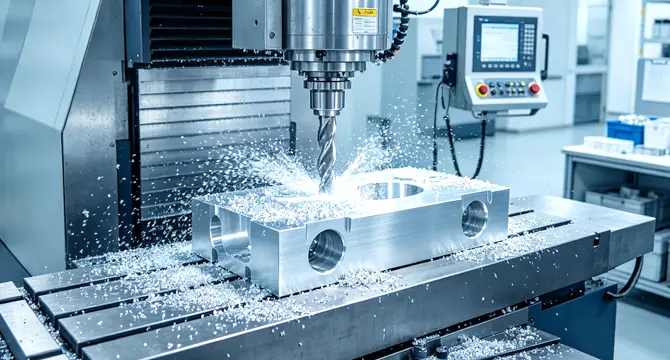
Prototyping before production is necessary to mitigate risk, but it can potentially cost money and take time to produce parts—so it is important to choose your prototype runs wisely. One risk‑mitigating technique I have incorporated into my mechanical engineering team’s process is to always produce a CNC‑milled prototype of any part that is identified to be injection moulded for production.
This seems like obvious advice, but I was amazed at how often engineering teams overlook the value of this step. Even 3D printing , another valuable prototyping tool, is often not as effective as a milled part if a move to moulding is imminent. The advantage of the milled part is a closer approximation to the final moulded material properties —not only in strength but also look, feel, and toughness when handled.
For a comprehensive comparison of prototyping approaches, see our rapid prototyping guide .
I have now built several dozen parts with Konlida, so I can attest to the quality and expediency of the parts. In just a few days and not much investment, one can have several milled parts in‑hand and ready for evaluation. Konlida’s extensive library of material options has also allowed me to select the same exact plastic to be used in the eventual injection‑moulded parts. This flexibility, paired with comparable tolerances and resolution to final injection‑moulded parts, allows me to reliably use milled prototypes for a full form and fit check.
In many cases, I can even use the parts for structural and environmental performance tests, so we can evaluate and make any final tweaks before cutting steel—without having to cross our fingers that nothing goes wrong. For more on how material selection impacts part performance, see our materials comparison guide .
Evaluating Suppliers
Over the years I have honed my procedures for developing products, but I am always looking for ways to fine‑tune and optimise them. Milled prototypes are now an absolute requirement in my process, but as a manager, I am continuously reviewing new suppliers to ensure I am getting the best service and costs. Every once in a while I will find new suppliers with high‑quality work, but I always stick with Konlida.
Its commitment to being technologically progressive and constantly adding automation to its processes has alleviated a lot of the risk I have found with other suppliers. The combination of CNC machining for prototypes, injection moulding for production, and automated DFM feedback creates a seamless path from design to production.
Summary
| Risk Mitigation Step | Benefit |
|---|---|
| Automated quoting and DFM feedback | Identifies manufacturability issues early; saves time and money |
| CNC‑milled prototypes | Closer material properties to final moulded parts; enables form, fit, and functional testing |
| Same material for prototype and production | Reliable performance prediction; reduces surprises in production |
| Single supplier for prototyping and production | Streamlines supply chain; consistent quality and communication |
Final Thoughts
I encourage all mechanical engineering teams to make Konlida a requirement in their development process. The company serves as an absolutely integral tool to mitigate risk and improve your chances of a successful product launch.
Michael Corr is an engineering manager with more than 15 years of experience building and manufacturing various hardware products. Over the span of his career, he has developed telecom equipment, clean tech products, wearables, and most recently commercial‑grade UAVs. With a focus in manufacturing, Corr has spent a significant amount of time managing production both in the U.S. and overseas and has incorporated a lot of his experience into design for manufacturability best practices. Corr currently manages his own manufacturing consulting firm, DuroLabs, based in Los Angeles.
Ready to Mitigate Risk in Your Product Development?
Whether you are a startup or an established company, Konlida’s digital manufacturing platform can help you reduce risk and accelerate your path to production.