Precision CNC Turning Services for Cylindrical Parts

Shafts, bushings, threaded fittings, and precision turned components—machined on multi-axis CNC lathes with live tooling. Single-setup efficiency for complex cylindrical geometries. Prototypes in 5-7 days. Global shipping.

Precision cnc turning services for cylindrical parts

Certifications ISO 9001:2015 | ISO 13485:2016 | AS9100D | IATF 16949

Innovative Companies We Support

Jump to Section

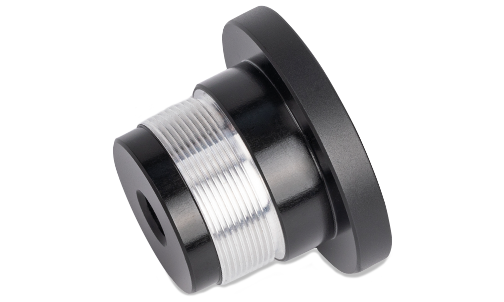
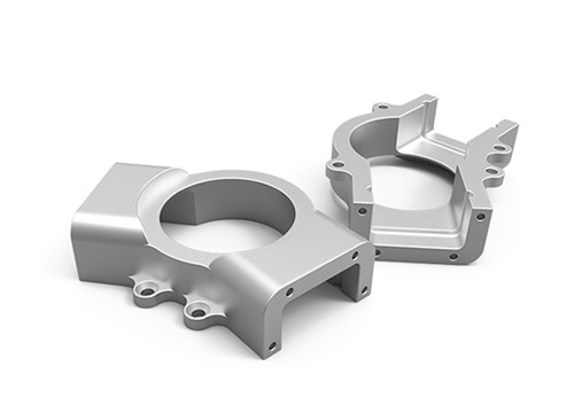
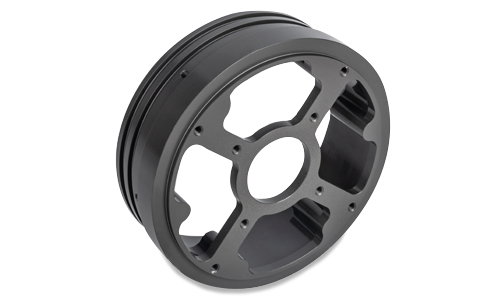
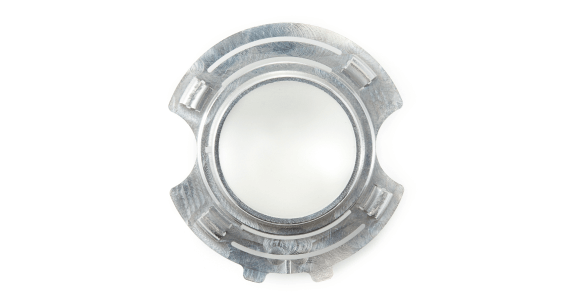
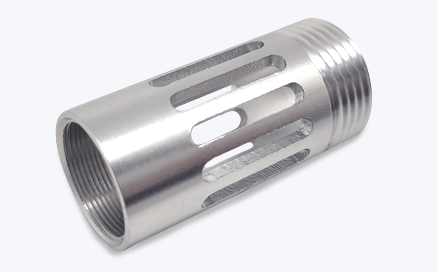
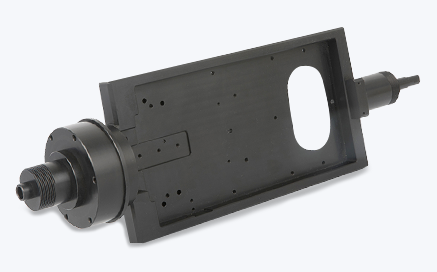
Our CNC turning process produces custom prototypes and end-use production parts in as fast as 1 day. We use a CNC lathe with live tooling so features like axial and radial holes, flats, grooves, and slots can be machined.

CNC turning is often used for:

  • functional prototypes and end-use parts
  • parts with cylindrical features
  • parts with axial and radial holes, flats, grooves, and slots

Cnc cta

CNC Machining Design Guide

In this guide to CNC machining, you'll learn how to create efficient, manufacturable metal and plastic parts for prototyping and production.

Design Guidelines for CNC Turning

Our design guidelines for CNC turning help improve part manufacturability, reduce production time, and ensure consistent quality across prototypes and low-volume production runs.

ParameterImperialMetric
Maximum Dimensions  
Diameter13.8 in.350mm
Length39.4 in.1000mm
Minimum Dimensions  
Diameter0.12 in.3.0mm
Wall Thickness0.020 in.0.5mm
Tolerances±0.002 in.±0.05mm

Additional Design Considerations:

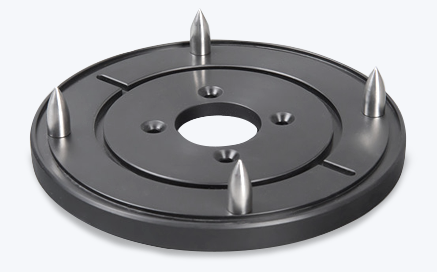
  • Sharp conical points are achievable; angles should be greater than 30 degrees for optimal tool engagement.

  • Walls thinner than 0.020 in. (0.5mm) may deform during machining and are not recommended.

  • Internal threads down to M2 are supported; consult with our engineer team for custom thread specifications.

  • Live tooling enables off-axis holes, flats, and slots without secondary setups.

Materials for CNC Turning

Konlida maintains an extensive inventory of metals and engineering plastics for CNC turned parts. All materials are backed by full lot traceability and material certifications.

  • Metals

    • Aluminum 6061, 7075, 6082

    • Stainless Steel 304, 316L, 17-4PH

    • Titanium Grade 2, Grade 5

    • Brass C360

    • Alloy Steel, Low Carbon Steel

    Plastics

    • PEEK (Medical & Industrial Grade)

    • POM (Acetal / Delrin)

    • PTFE (Teflon)

    • Nylon

    • PC, Acrylic

Materials for cnc turning

Surface Finish Options for Turned Parts

Parts that are turned typically have a very smooth surface finish. The as-machined surface finish of the cylindrical areas will typically be much smoother using the lathe than the mill, so consider this when selecting the machining method for those parts that qualify for either method. Areas cut with live tooling, such as flats and slots, may have visible tools marks.

If desired, the metal parts can be lightly bead blasted leaving a fine matte finish. Hard metals like steel and stainless steel can also have edges broken (deburred) with a light bead blast to remove metal slivers, and sharp or rough areas.

AluminumEdges broken with visible toolmarks, edges broken with light bead blast, or sharp edges with visible toolmarks
All other metalsEdges broken with visible toolmarks or edges broken with light bead blast
Aluminum cnc milled part

Material: Aluminum
Surface Finish: Broken Edge

Aluminum cnc milled part

Material: Aluminum
Surface Finish: Bead Blast

Aluminum cnc milled part

Material: Aluminum
Surface Finish: Sharp Edge

Anodizing and Chromate Plating Specifications

AnodizeHard AnodizeChromate

MIL-A-8625 Type II, Class 2 (Blk)

MIL-A-8625 Type II, Class 1(Clr)

MIL-A-8625 Type III, Class 2 (Blk)MIL-DTL-5541 Type II, Class 3 (Clr)

Quick-turn Finishing

Here are the requirements to get parts in as fast as 4 days (1-day expedite + 3 days for plating):

  • Aluminum 6061/6082 and 7075 material eligibility
  • Threaded holes plugged
  • No masking available

High-requirement Finishing

Have AS9100 and ITAR requirements? Try our domestic precision machining option. If you have more complex anodizing and plating requirements, work with our digital network of manufacturers. The network works well for components that require a specialized color or material option such as titanium or nickel.   

What is CNC Turning?

CNC turning is a precision subtractive manufacturing process in which a bar or rod of material is rotated at high speed while a computer-controlled cutting tool removes material to form the final geometry. Typically performed on CNC lathes, the tool moves along the axis of the rotating workpiece to create cylindrical, conical, or complex profiles with high accuracy and repeatability.

Modern CNC turning centers can integrate live tooling to perform secondary operations such as drilling, milling flats, and threading (both OD and ID) in a single setup, reducing handling time and improving efficiency.

Finished parts can be delivered as-machined with visible tool paths or enhanced with surface treatments such as polishing or bead blasting. After machining, components undergo inspection to ensure dimensional accuracy before being packaged and shipped for immediate use.

Resources