

Multi-Cavity and Family Injection Molding
Maximize each shot with multiples of the same or different parts from a single mold
Certifications ISO 9001:2015 | ISO 13485:2016 | AS9100D | IATF 16949
Jump to Section
Our overmolding process produces custom prototypes and on-demand production parts in as fast as 15 days. We use aluminum molds that offer cost-efficient tooling, producing parts from a range of thermoplastic and liquid silicone rubber materials.
Overmolding is frequently used for:
- low-volume production parts
- bridge tooling
- pilot runs
- functional prototyping and testing
Definitive Guide to Injection Molding
This complete reference guide walks you through everything from quoting, design analysis, and shipment to best practices that ensure your model is optimized for molding.
Family and Multi-Cavity Molding Capabilities
Our basic guidelines for multi-cavity and family injection molding include important design considerations to help improve part moldability, enhance cosmetic appearance, and reduce overall production time.
General Design Guidelines
- Maximum of 12,000 psi (82.74 MPa) for the entire assembled family tool
- Maximum clamp tonnage of 500 tons (453,592 kg)
- Brand model cavities must fill within 2,000 psi (13.79 MPa) of each other
Maximum Part Size
Maximum part size is a function of mold size and part complexity. The largest size we can support with plastic injection molding is 18.9 in. by 29.6 in. by 8 in. (480mm by 751mm by 203mm).
Maximum Part Volume
Maximum is 59 in. (1,499mm). Specs below exclude tiny parts less than 0.05 in. (1.27mm). Between two parts, if volume is:
| If part size is: | Maximum Difference in Part Volume |
|---|---|
| < 2 in. (50.8mm) | 20% |
| 2 in. (50.8mm) to < 5 in. (127mm) | 15% |
| 5 in. (127mm) to < 10 in. (254mm) | 10% |
| 10 in. (254mm) to 59 in. (1499mm) | 5% |
Maximum Number of Cavities
The number of possible cavities can be 2, 4, or 8 per mold. This ultimately is dependent on part complexity and size.
Maximum Surface Area
Maximum is 175 in. (4,445mm), each cavity added together. Between two parts, if surface area is:
| If part size is: | Maximum Difference in Part Surface Area |
|---|---|
| < 5 in. (127mm) | 20% |
| 5 in. (127mm) to < 10 in. (254mm) | 15% |
| 10 in. (254mm) to < 20 in. (508mm) | 10% |
| 20 in. (508mm) to < 59 in. (1499mm) | 5% |
Lead Times for Multi-Cavity and Family Tools
Fundamentally, lead times are based on the complexity and size of your mold and can vary from 1 to 20 days, based on those attributes. Below is a rough idea of what you can expect in terms of turnaround for your parts.
| If maximum part size is: | Design Specs | Lead time is: |
|---|---|---|
| 2.75 in. by 2.50 in. by 1 in. (69.85mm by 63.5mm by 25.4mm) | No side-pulls, hot-tip gates, contoured ejectors, steel core pins, family and multi-cavity molds | 1 business day |
| 15 in. by 9 in. by 4 in. (381mm by 229mm by 101.6mm); depending on gate type, maximum part size could be smaller | Does not contain more than two side-pulls; no pick-out cams; family and multi-cavity molds may include only two simple parts. | 5 business days |
| 15 in. by 9 in. by 4 in. (381mm by 229mm by 101.6mm); depending on gate type, maximum part size could be smaller | Does not contain more than two side-pulls; no pick-out cams; family and multi-cavity molds may include only two simple parts | 7 business days |
Tolerances: Typically, Konlida can maintain a machining tolerance of +/- 0.003 in. (0.08mm) with an included resin tolerance that can be greater than but no less than +/- 0.002 in./in. (0.002mm/mm).
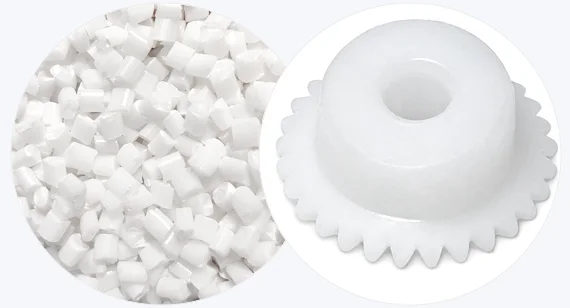
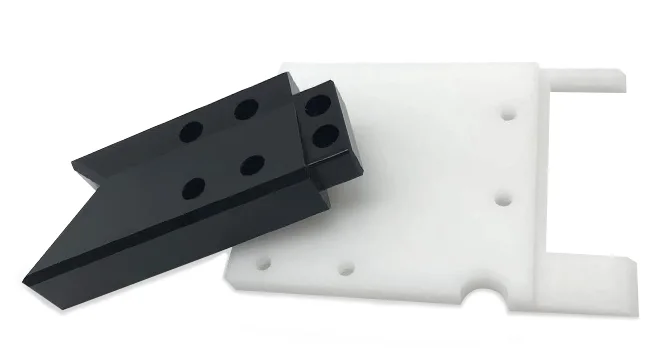
Injection Molding Materials
Surface Finish Options
| Finish | Description |
|---|---|
| PM-F0 | non-cosmetic, finish to Konlida's discretion |
| PM-F1 | low-cosmetic, most tool marks removed |
| PM-F2 | non-cosmetic, EDM permissible |
| SPI-C1 | 600 grit stone |
| PM-T1 | SPI-C1 + light bead blast |
| PM-T2 | SPI-C1 + medium bead blast |
| SPI-B1 | 600 grit paper |
| SPI-A2 | grade #2 diamond buff |
How Does Multi-Cavity or Family Molding Work?
Multi-cavity molds enable the production of multiple versions of the same part in a single shot. You can take this process to the next logical step when you include many different parts on the same mold, creating a family mold. If you have ever built a plastic model, you’ve probably worked with parts made in a family mold. The runners between each part are left intact, forcing you to break each part off the whole.
The advantages to these techniques are simple:
- High Production Volume: Significantly increases the number of parts produced per hour compared to a single-cavity mold
- Efficiency: Maximizes machine utilization
- Lower Per-part Cost: While the mold itself is more expensive initially, the cost per individual part drops dramatically due to the increased output rate and reduced cycle time per part
With this sort of intricacy, come challenges:
- Mold Complexity and Cost: It costs more to design and build a balanced multi-cavity mold due to the added complexity and time it takes to cut the mold, but you might make up for that with a lower piece-part price
- Balancing: Ensure that all cavities fill evenly and at the same rate for consistent part quality. Careful runner system design is critical
Applications for Multi-Cavity and Family Molding
Automotive
For high-volume fasteners, connectors, sub-assembly components, interior trim sets, and small standard parts
Construction
Commodity items like fittings, fasteners, connectors, and closures
Consumer Electronics
Standardized components used across many units, housings, and internal components for specific devices
Medical Devices
Particularly for disposable items and casings for handheld diagnostic tools or kits
Packaging
Especially beverage, food, cosmetic, and pharmaceutical packaging
Appliances
Housings and components for smaller appliances
| Types of Parts | Function |
|---|---|
| Electronic device housings | Front/back casings, battery doors, button sets for a specific remote control, phone, or gadget |
| Buttons and keys | Keyboards, control panels, remote controls |
| Caps and closures | Bottle caps, jar lids, flip-tops, spray nozzle components (huge volumes needed) |
| Connectors | Electrical connectors, terminal housings, fiber optic connectors (standardized, high quantity) |
| Fasteners | Plastic clips, rivets, screw anchors, cable ties (commodity, high volume) |
| Medical disposables and casings | Syringe barrels/plungers, pipette tips, test tubes, vial caps, parts for IV sets, sample cups. Two halves of a glucose meter casing, parts for a specific diagnostic test kit (high volume, consistency crucial) |
| Small ears, bushings, washers | Standardized mechanical components |
| Small pipe fittings | Elbows, T-connectors, caps for plumbing/irrigation |