





Precision CNC Milling Services for Custom Parts

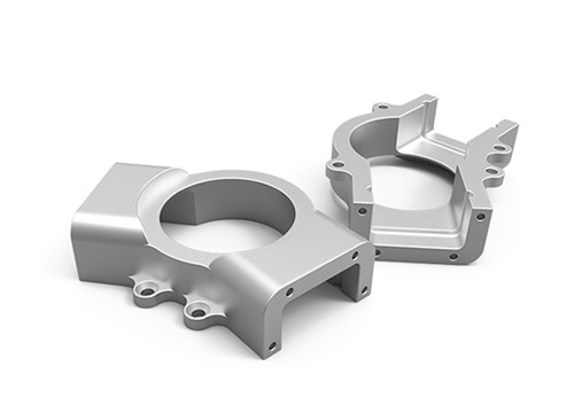
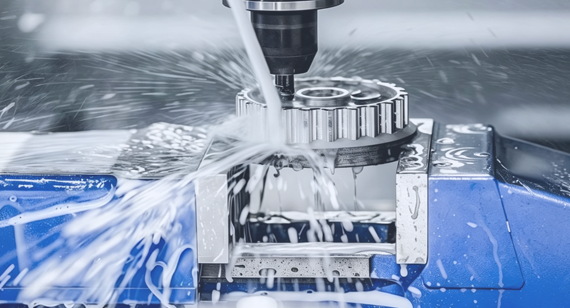
Konlida provides high-precision 3-axis and 5-axis CNC milling services for prototypes and low-volume production runs. From aluminum and stainless steel to medical-grade plastics, our ISO-certified milling capabilities deliver complex geometries with tolerances down to ±0.002mm.

Precision cnc milling

Certifications ISO 9001:2015 | ISO 13485:2016 | AS9100D | IATF 16949

Innovative Companies We Support

Explore Konlida's CNC Machining Capabilities

CNC Milling

3-axis and 4-axis vertical milling for precision components. Ideal for complex geometries, pockets, and contoured surfaces in metals and engineering plastics.

CNC Turning

Multi-axis CNC lathe services with live tooling for cylindrical parts, fittings, and threaded features. Single-setup efficiency for high accuracy.

5-Axis CNC Machining

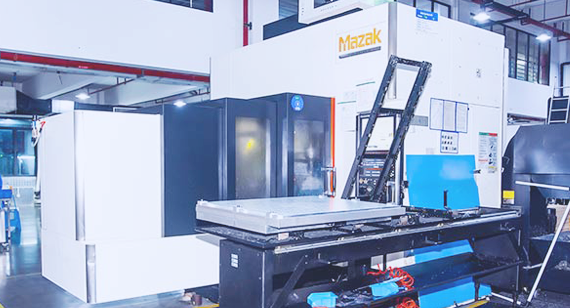
Single-setup complex geometry machining with DMG MORI and Mazak 5-axis platforms. Tolerances down to ±0.002mm.

Precision CNC Parts, Ready for End-Use

Prototypes in 5-7 days. Production runs delivered on time. ISO-certified CNC machining services for aerospace, medical, automotive, robotics, electronics, and industrial equipment.

CNC Machining Materials

Metals

Aluminum

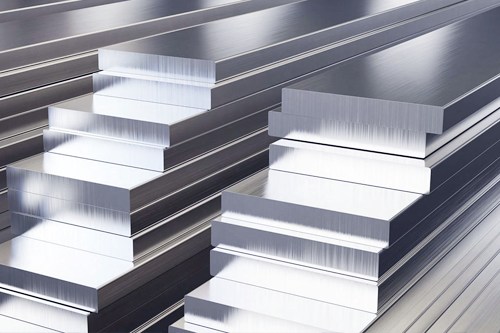
Aluminum is a popular choice for machining due to its low density, good mechanical properties, high thermal and electrical conductivity, and resistance to corrosion. Aluminum alloys, such as 6061-T651, 7075-T651, and 2024-T351, are commonly used in CNC machining because they offer a good balance of strength, machinability, and cost.

Aluminum

Brass

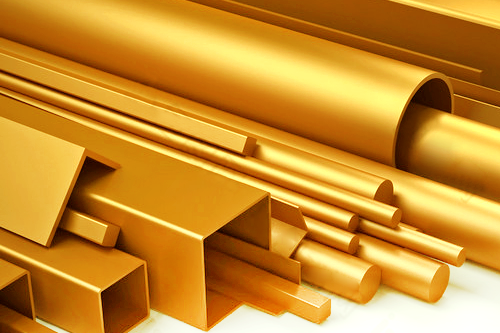
Brass is an alloying consisting of both copper and zinc. The gold materials is a weather- and corrosion- resistant metal with tensile strength similar to mild steel. It's also an easy to machine material, so feedrates can remain high and coolant need is minimal.

Brass

Copper

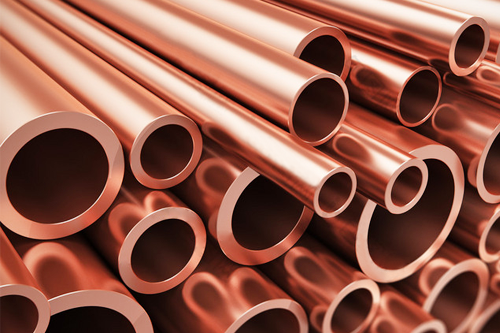
Copper is a metal that is corrosion-resistant, extremely electrically conductive, and highly ductile. Its glossy orange-reddish appearance is instantly recognizable, and the metal looks attractive even when it goes through a natural oxidation process that forms a bluish-green coating called patina in response to its environment. Note, however, that copper weldability is considered moderate to poor.

Copper

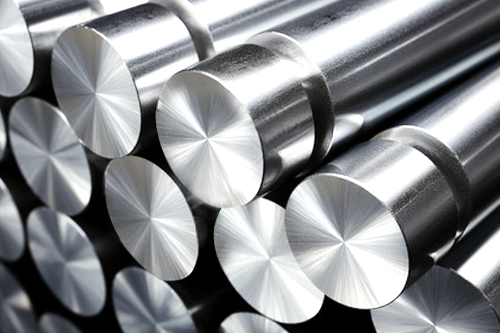
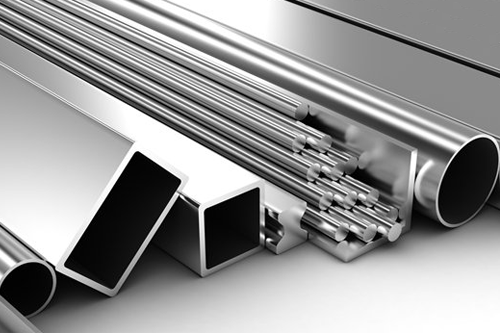
Stainless Steel

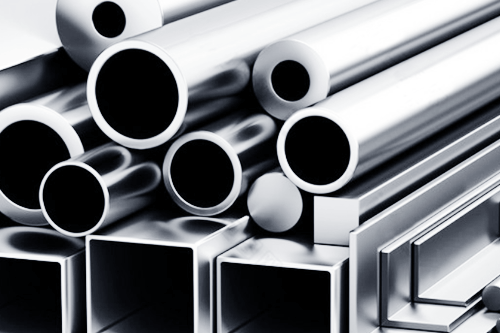
Stainless steel is well-suited for a wide array of CNC machining projects, due to its excellent machinability and outstanding uniformity. It also has good workability and weldability to match your specific machining needs, as well as high ductility and formability to meet the specification requirements of any project.

Stainless steel

Steel Alloy

Steel Alloy 4140 is a low alloy steel containing chromium, molybdenum, and manganese. It is widely used across numerous industries and is an excellent material choice for machining due to its toughness, high fatigue strength, and abrasion and impact resistance.

Steel alloy

Steel Mild Low Carbon

Low carbon steel, also known as mild steel, contains up to 0.30% carbon. This gives the material low strength while making it more malleable and ductile compared to high carbon steels.

Steel mild low carbon

Titanium

Titanium is a popular material for CNC machining due to its excellent strength-to-weight ratio, corrosion resistance, and biocompatibility. However, titanium presents unique challenges in machining due to its high strength, low thermal conductivity, and tendency to work harden during cutting.

Titanium

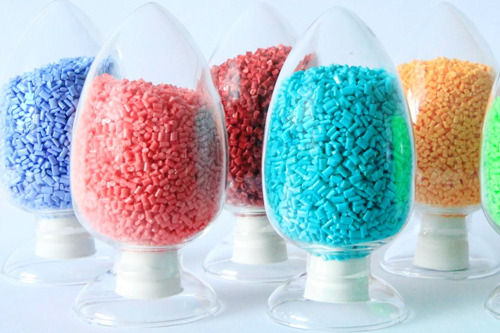
Plastics

ABS

ABS is a low-cost engineering plastic that is easy to machine. ABS is an ideal material for structural applications when impact resistance, strength, and stiffness are required. It’s widely used for pre-production prototypes since it has excellent dimensional stability and is easy to paint and glue.

Abs

Acetal

Delrin 570 is a homopolymer acetal containing 20% glass fiber filler. It has very high stiffness, low warpage, and low creep for superior performance at elevated temperatures.

Acetal

CPVC

CPVC, also known as Chlorinated Polyvinyl Chloride provides excellent corrosion resistance at elevated temperatures making it ideal for self-supporting constructions where high temperatures are a concern.

Cpvc

Delrin

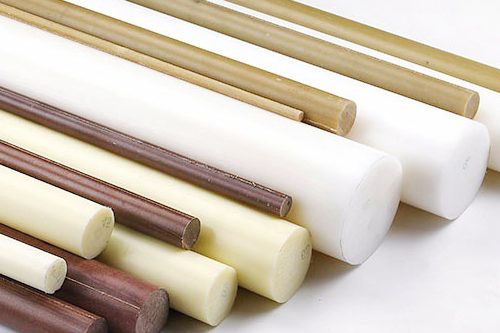
Delrin, also known as Polyoxymethylene (POM), is a high-performance plastic with numerous advantageous features. Its high stiffness, low friction, and excellent wear resistance make it a popular choice for applications requiring high mechanical strength, such as gears, bushings, and bearings.

With its remarkable combination of properties, Delrin stands out as a versatile and reliable material for a diverse range of applications.

Delrin

HDPE

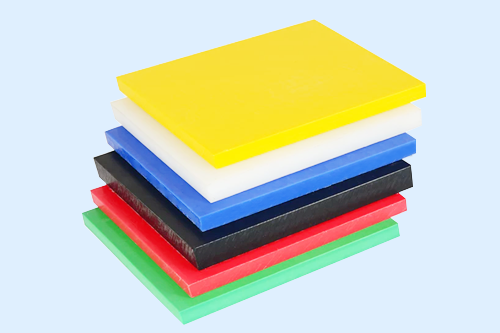
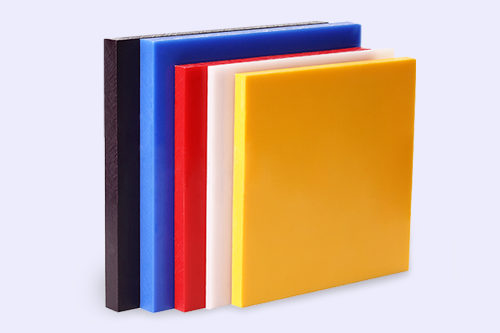
HDPE is a high-density polyethylene that is lightweight, has low moisture absorption, is chemical and corrosion resistant, and has high strength. It is great for applications such as orthotic and prosthetic devices, water storage, and tanks.

Hdpe

LDPE

LDPE is more flexible than HDPE, while still being light-weight and providing chemical and corrosion resistance. It’s extremely flexible making it great for prosthetic devices and thermoformed parts.

Ldpe

Nylon

Nylon is a versatile and widely used material in CNC machining due to its exceptional properties. Its high tensile strength, low coefficient of friction, and resistance to wear and abrasion make it an excellent choice for applications requiring durability and reliability, such as gears, bushings, and bearings. Additionally, nylon's low moisture absorption and good dimensional stability ensure consistent performance even in humid or varying temperature conditions.

Its ease of machining, coupled with its chemical resistance, also makes it suitable for applications in the automotive, aerospace, and medical industries. With its remarkable combination of properties, nylon stands out as a versatile and reliable material for a diverse range of CNC machining applications.

Nylon

PEEK

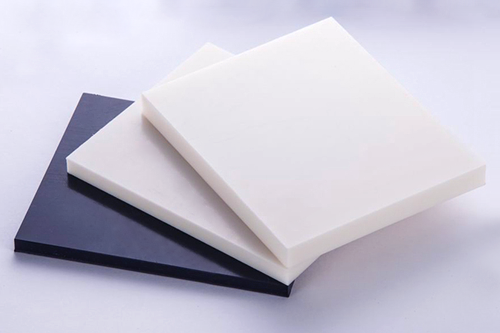
Using PEEK materials (chemically known as polyetheretherketone) is ideal for a wide spectrum of CNC machining applications where thermal, chemical, and combustion properties are critical to performance. 

Whether in a sheet, rod, tube, or film, PEEK is a high-performance material that can be cut to size and used for a variety of CNC machining projects.

Peek

PEI

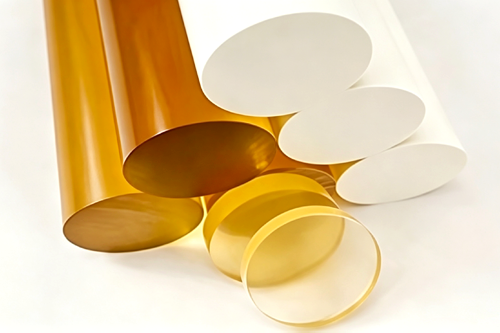
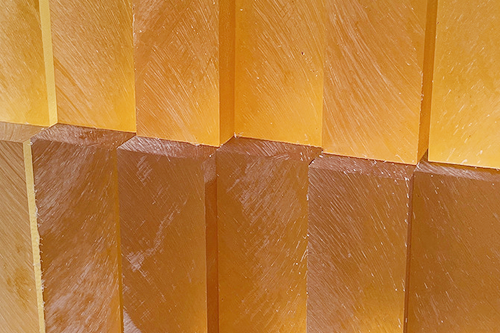
ULTEM is an amorphous thermoplastic polyetherimide (PEI) material that combines exceptional mechanical, thermal, and electrical properties. Natural ULTEM is a translucent amber color. Key attributes include excellent mechanical strength, ability to retain strength at elevated temperatures, high heat resistance, and high stress resistance.

Pei

PET

PET, also known as Polyethylene Terephthalate, is a semi-crystalline thermoplastic polyester with excellent wear resistance, low coefficient of friction, high flexural modules, and superior dimensional stability. It it a very versatile option for mechanical and electro-mechanical parts.

Pet

PMMA (Acrylic)

Acrylic, also known as polymethyl methacrylate (PMMA), is a versatile plastic material widely used in CNC machining for its remarkable properties. Acrylic's optical clarity, light transmission, and UV resistance make it a popular choice for a wide range of applications, from signage and display products to lenses and lighting fixtures. 

With its exceptional combination of optical clarity, machinability, and versatility, acrylic is an excellent choice for CNC machining applications that require precision and aesthetics.

Pmma acrylic

Polycarbonate

Polycarbonate (PC) is an engineering plastic with excellent dimensional stability and good strength and stiffness. It's a go-to material for parts that need clarity and impact strength.

We offer four grades of machined polycarbonate:

  • Black
  • Clear
  • Translucent
  • 20% Glass-Filled 
Polycarbonate

Polypropylene

Polypropylene (PP) Copolymer is a common thermoplastic often used for its versatility. It is easy to fabricate, will not crack with vibration or wear, and can also be used in applications that require chemical resistance and/or FDA compliance.

Polypropylene

Polystyrene (HIPS)

High Impact Polystyrene (HIPS), is a low cost plastic material that is easy to machine. It is often used for low strength structural applications when impact resistance, machinability, and low cost are required. It is a great material choice for prototyping due to its dimensional stability and ability to paint and glue.

Polystyrene hips

PPSU

RADEL R polyphenylsulfone resins offer exceptional hydrolytic stability and toughness that is superior to other commercially available, high-temperature engineering resins. It offers high deflection temperature and outstanding resistance to environmental stress cracking. The polymer is inherently flame retardant, has excellent thermal stability, and good electrical properties.

Ppsu

PSU

RADEL R polyphenylsulfone resins offer exceptional hydrolytic stability and toughness that is superior to other commercially available, high-temperature engineering resins. It offers high deflection temperature and outstanding resistance to environmental stress cracking. The polymer is inherently flame retardant, has excellent thermal stability, and good electrical properties.

Psu

PTFE

Polytetrafluoroethylene (PTFE), commonly known by its trade name Teflon, is a versatile and highly desirable material for CNC machining due to its unique properties. It is a type of fluoropolymer and is best known for its non-stick and low-friction properties. This makes it an excellent choice for applications that require a low coefficient of friction, such as bearings, bushings, and seals. PTFE also has excellent chemical resistance, making it ideal for use in harsh environments.

Additionally, PTFE has a wide temperature range, from -200°C to +260°C, which makes it suitable for applications that require extreme temperature resistance. Its electrical insulation properties are also noteworthy, making it useful in electrical components and insulation.

Ptfe

PVC

Polyvinyl Chloride (PVC) is an extremely versatile polymer and used widely across many industries due to its exceptional corrosion resistance, high strength-to-weight ratio, and cost efficiency.

Pvc

Factory vs. Network

We offer a range of capabilities through our in-house digital factories at Konlida along with our digital network of manufacturers. If speed is essential, our factory capabilities have you covered, but if you're in need of advanced capabilities and have more flexibility in your schedule, try Konlida Network.


Factory Capabilities for CNC Milling

Network Capabilities for CNC Milling

 
Maximum Part Size22 in. x 14 in. x 3.75 in. (559mm x 356mm x 95.3mm)25.5 in. x 25.5 in. x 11.8 in. (650mm x 650mm x 300mm) 
Minimum Part Size0.25 in. x 0.25 in x .0.04 in.(6.35mm x 6.35mm x 1.016mm)0.0393 in. x 0.0393 in. x 0.0393 in.(1mm x 1mm x 1mm) 
Tolerances for Parts without Technical Drawing+/- 0.005 in. (+/- 0.127mm)ISO 2768-1-1989-f (metals), ISO 2768-1-1989-m (plastics) 
Tolerances for Parts with Technical DrawingLinear tolerance quoted to ISO 2768-1-1989-f, Standard hole tolerance quoted to +/- 0.005 in. (+/- 0.127mm)
Hole & bore-style tolerance on specified feature may be +/- 0.0005 in. (+/- 0.0127mm)
Please clearly indicate tolerances for nominal sizes below 0.5mm on your technical drawing. 
RadiiSharp inside corners on a part will be radiused (rounded) as a natural result of the CNC machining process. 
Text

Plastic and soft metals: Minimum width of 0.018 in. (0.457mm), depth of 0.0118 in. (0.3mm). Example text size would be 16 point Arial Rounded MT font.

Hard metals: Minimum width of 0.033 in. (0.838mm) and depth of 0.0118 in. (0.3mm). Example text size would be 22 point Arial Rounded MT font.


Note: Maximum part size varies by material. View this table to see a complete listing of our maximum part sizes.


Factory Capabilities for CNC Turning

Network Capabilities for CNC Turning

Maximum DimensionsDiameter3.95 in. (100.33mm)17 in. (431mm)
Length9 in. (228.6mm)39 in. (990mm)
Minimum DimensionsDiameter0.16 in. (4.07mm)0.039 in. (1mm)
Length0.05 in. (1.27mm)0.019 in. (0.5mm)
Wall Thickness0.020 in. (0.51mm)0.019 in. (0.5mm)
Angle30°Below 90°
Tolerances+/- 0.005 in. (+/- 0.13mm)±0.001 in. (0.020mm)

Note: Small features may be allowed, but the diameter in any region should not be less than 0.030 in. (0.76mm). Sharp conical points are allowed; angles should be greater than 30 degrees. Walls thinner than 0.020 in. (0.5mm) typically do not survive the machining process.

Lightbulb 32px button blue 500

Production PRO Tip

For low-volume production runs, consolidating machining, finishing, and assembly under one AS9100D / ISO13485 certified roof eliminates vendor handoff delays and ensures consistent quality—without the markup of fragmented supply chains.
Surface Finish & Post-Processing Options

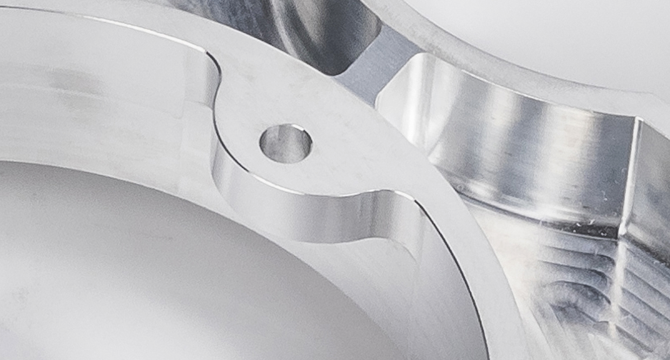
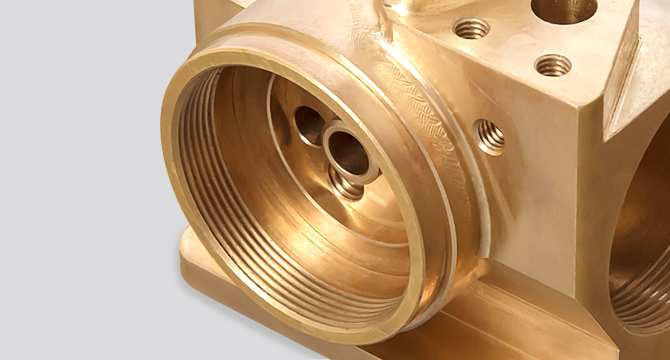
Konlida provides in-house coordinated finishing services to meet your end-use requirements. From functional deburring to cosmetic anodizing, we manage the entire process under one quality system.

Surface finishes

Surface Finishes

  • As-Machined (tool marks visible, edges deburred)

  • Bead Blasted (matte uniform finish)

  • Polished (smooth, reflective surface)

Coatings & Platings

  • Anodizing (Type II, Type III hardcoat)

  • Passivation (stainless steel)

  • Chem Film / Chromate Coating

  • Electroless Nickel Plating

  • Powder Coating

Coatings platings

Why Choose Konlida for Precision CNC Machining?

Fast, Reliable Delivery

Prototypes in 5-7 days. Production runs delivered on schedule. Global shipping with DDP options available.

Engineer-Led DFM Analysis

Every RFQ receives a comprehensive design review—tolerance stack-up, material suitability, and cost-saving recommendations.

AS9100D & ISO 13485 Certified

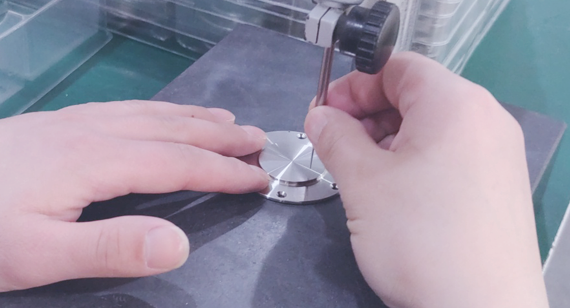
One quality system governs every part. Full material traceability and CMM inspection reports standard.

Flexible Capacity

High-mix, low-volume production without minimum order requirements. From one prototype to thousands of parts.

Certified Material Inventory

Metals and engineering plastics—aluminum, stainless steel, titanium, PEEK, POM, and more. Full lot traceability.

In-House Finishing & Assembly

Surface treatments and cleanroom assembly managed under one roof. No vendor handoffs.

What is CNC Machining and How Does It Work?

CNC machining is an automated subtractive manufacturing process that transforms a solid block or rod of material into precision CNC parts using computer-controlled cutting tools. The tools are driven by software (G-code) referencing a 3D CAD model to remove stock material into the desired geometry. The high level of automation enables efficient production for both rapid prototyping and low-volume manufacturing.

Common CNC machines include CNC milling and CNC turning. CNC machining is a versatile process suited for one-off custom prototypes, complex custom CNC parts, and low-to-mid volume production quantities.

Advantages of CNC Machining

The subtractive process of CNC machining provides multiple benefits for both prototyping and production parts.

  • Precision and repeatability

  • Tight tolerances (±0.002mm achievable)

  • Production-grade materials with full traceability

  • Quick-turn prototypes in 5-7 days

  • Cost-effective for low-to-mid volume production

  • Robust post-processing and finishing options

CNC Machining Applications

CNC machining is widely used throughout aerospace, medical, automotive, semiconductor, and industrial equipment industries for its ability to rapidly manufacture precise parts in production-grade materials. Typical CNC parts include:

  • Housings and enclosures

  • Brackets and structural mounts

  • Fixtures and tooling

  • Gears, bearings, and drive components

  • Internal mechanical assemblies

  • Medical and surgical instrumentation

Cnc cta

CNC Machining Design Guide

Master the fundamentals of designing precision parts for CNC machining. This free guide covers material selection, tolerance optimization, and DFM best practices for both prototyping and low-volume production.

Get an Instant CNC Machining Quote

Upload your CAD file. Our engineers deliver a complete quote within 24-48 hours.

What's included:

  • DFM analysis & tolerance review

  • Material traceability & ISO/AS certs

  • Lead time & global shipping options

  • Surface finish coordination

Tour Our Precision CNC Machining Facility

Step inside Konlida's 45,000㎡ manufacturing facility in Suzhou, China. See DMG MORI and Mazak 5-axis machining centers in action, explore our Hexagon CMM quality lab, and view ISO 13485 cleanroom assembly areas—all operating under AS9100D certified processes.

CNC Machining FAQs

How much does CNC machining cost?

CNC machining is a cost-effective solution for prototypes and low- to mid-volume production. Pricing depends on factors such as material selection, part complexity, tolerance requirements, quantity, and lead time. For precise quoting, Konlida recommends submitting 3D CAD files to receive a detailed evaluation along with design-for-manufacturability (DFM) feedback, ensuring optimized cost and performance.

What materials can Konlida machine?

Konlida supports a wide range of materials, including aluminum, stainless steel, brass, copper, titanium, and various engineering plastics such as ABS, POM, and PEEK. Material selection is guided by application requirements such as strength, corrosion resistance, and thermal stability, ensuring optimal performance for industries like medical, aerospace, and electronics.

What tolerances can Konlida achieve?

With advanced 3-axis, 4-axis, and 5-axis CNC machining centers, Konlida can achieve tight tolerances typically down to ±0.003 mm or better depending on geometry and material. All parts are manufactured under strict quality systems, with CMM inspection and full traceability available for high-precision applications.

How long does CNC machining take?

Lead times vary based on part complexity and order volume, but Konlida offers rapid turnaround for prototypes in as fast as a few days. Scalable production workflows and efficient process control enable fast delivery while maintaining consistent quality for both small batches and larger production runs.

Additional Links and Resources

How to reduce cnc machining costs

How to Reduce CNC Machining Costs

Incorporate these design and material ideas tosimplify your CNC machining design, and lowerexpenses.

Cnc machining materials

CNC Machining Materials

With a universe of metal and plastic options, let yourmachined parts function determine material.

Fine tuning tolerances for cnc

Fine-Tuning Tolerances for CNC MachinedParts

Standard machining tolerances can maximize quality,reduce cost, & simplify designs for your parts.

Get an online quote and manufacturing analysis today.