

Metal Laser Cutting Service
Get custom laser-cut parts in as fast as 1 day. Standard 3-day lead times also available.
Certifications ISO 9001:2015 | ISO 13485:2016 | AS9100D | IATF 16949
Jump to Section
Laser cutting is a manufacturing process where a laser beam pierces raw sheet stock to produce flat geometries. A range of metals are available, which work well for components such as washers, mounts, brackets, and housings.
Laser cutting is commonly used for:
- prototyping designs or testing product requirements
- efficiencies of scale up to 50+ parts
- parts with standard connectivity features (USB, HDMI, ethernet ports)
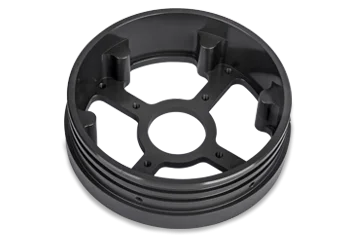
Sheet Metal Design Guide
Download this guide to explore the processes involved in creating sheet metal parts along with how to design common features and select the right material.
Our Laser Cutting Process
Our laser cutting service and capabilities are designed around reliably producing quality parts on time.
- Upload your CAD file to receive an online quote
- Configure materials, finishes, and additional options in myRapid
- Parts can fabricated and shipped in as fast as 1 day
- Standard 3-day lead times for quantities less than 50
- Parts deburred and edge debris removed prior to shipping (included in the price)
- Process ensures parts are safe to handle out of the box
- Parts deburred and edge debris removed prior to shipping (included in the price)
- Process ensures parts are safe to handle out of the box
- Formed geometries and geometries with hardware inserts available at 3-day lead times for quantities less than 50
- Basket of sheet metal components ship on same standard lead time
- Flatwork and formed parts produced with one supplier
- Fiber optic lasers designed for metal cutting applications (vs. other material types) within thickness range of 0.024 in. – 0.250 in. (0.609mm – 6.35mm)
- Have questions? Work with our team of sheet metal applications engineers to ensure your parts meet your requirements
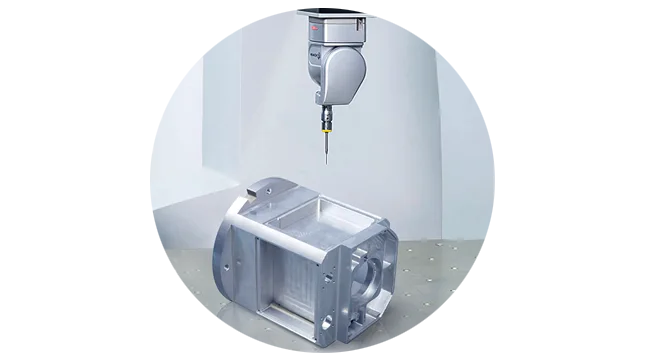
Laser Cutting Design Guidelines
Follow these guidelines for flat, laser cut parts to ensure quality and accelerate production time.
| Maximum Size |
|
| Minimum Part Size | 0.25 in. x 0.25 in. |
| Material Thicknesses | 0.024 in. - 0.250 in. |
| Tolerances |
|
| Maximum Size |
|
| Minimum Part Size | 6.35mm x 6.35mm |
| Material Thicknesses | 0.61mm - 6.35mm |
| Tolerances |
|
Materials and Thicknesses for Laser Cut Parts
We offer the following metal materials for custom laser cut parts. Note that based on material thickness, maximum part size will vary.
| Material | Grade | Thicknesses Available |
| Aluminum |
| 0.025 in. - 0.250 in. (0.635mm - 6.35mm) |
| Steel |
| 0.025 in. - 0.250 in. (0.635mm - 6.35mm) |
| Stainless Steel |
| 0.025 in. - 0.250 in. (0.635mm - 6.35mm) |
| Copper |
| 0.025 in - 0.125 in. (0.635mm - 3.175) |
| Brass |
| 0.025 in. - 0.125 in. (0.635mm - 3.175) |
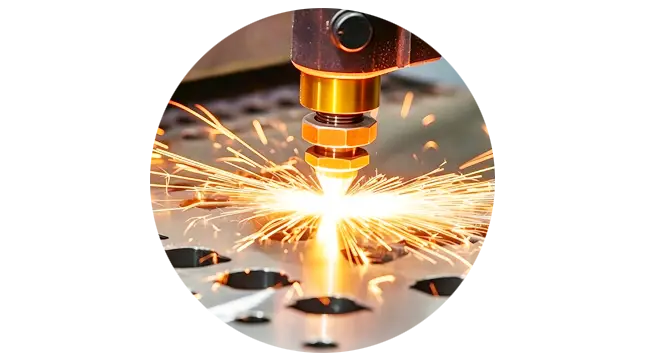
Applications for Laser Cut Parts
Laser cutting is a frequently used manufacturing process in industries such as energy storage, computer electronics, robotics, and aerospace. Common parts fabricated with laser cutting include:
- flat patterns
- face plates
- washers
- mounting plates
- panels
Additional Resources
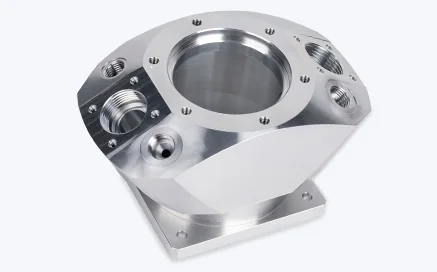
Design for Sheet Metal Fabrication Toolkit
Get in-depth design advice to optimize your parts for sheet metal fabrication. Designing with fabrication requirements in mind can accelerate production time and reduce cost throughout the product lifecycle.
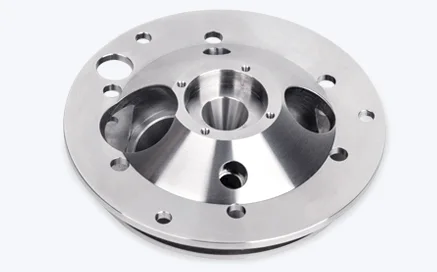
11 Ways to Cut Sheet Metal Fabrication Costs
Explore and try these 11 design tactics that can help you save money on sheet metal parts.
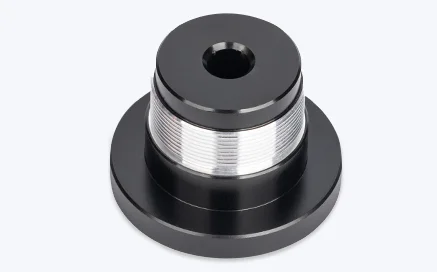
Integrating Hardware into Sheet Metal
Consider hardware material, placement, and other specifications to help optimize sheet metal parts.
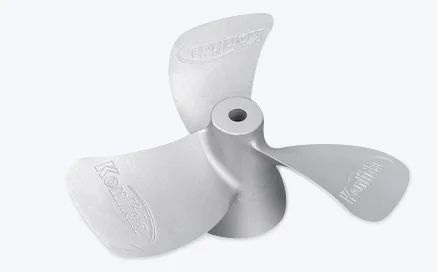
7 Ways to Improve Sheet Metal Parts
Consider material and finishing options along with design elements like bends, reliefs, holes, and slots when developing sheet metal components.