

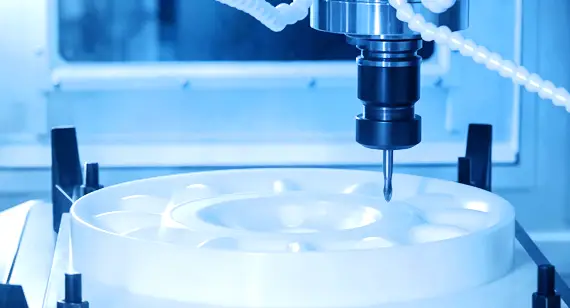
Stiffness vs. Strength: Definitions & Comparisons for Better Performing Parts

Stiffness and strength both describe how a material responds to an applied load, but they measure different behaviours. Stiffness is a ...
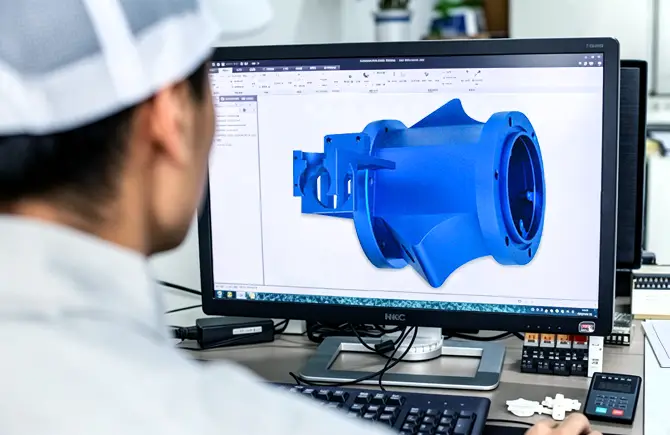
How to Accelerate Defence UAV Prototyping Under Export Control Constraints
Defence UAV programmes live under intense schedule pressure—accelerated qualification, regulatory approvals, and executive urgency can ...
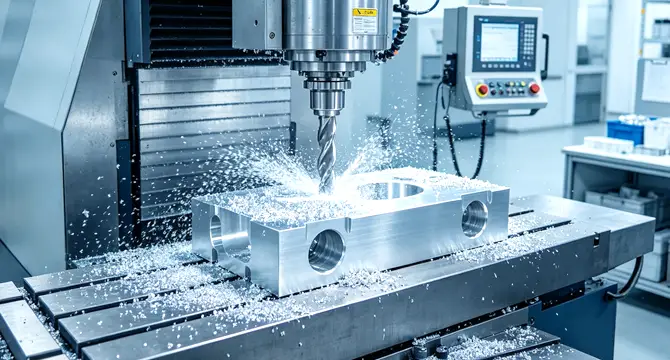
Advantages of Electroless Nickel Plating
How autocatalytic nickel coatings improve corrosion resistance, wear performance and dimensional control in machined parts
Electrole...
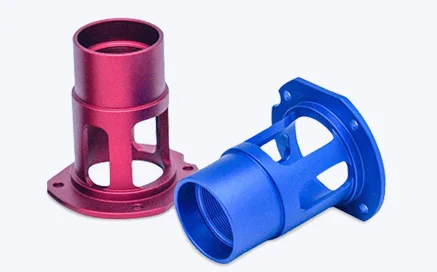
3D Printing Design Optimization: Strength vs. Aesthetics
Designing for 3D printing often requires a careful balance between mechanical performance and visual quality. Understanding these trade...

Lighter by Design: How Optimised Materials Reduce Commercial UAV Weight
For commercial UAVs, every gram matters. Less mass means longer endurance, higher payload capacity, crisper stability, and better overa...
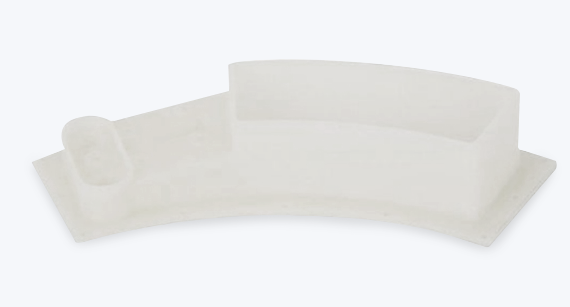
Thermoplastic Elastomers (TPE) for Injection Moulding
We sometimes get questions about how thermoplastic elastomers (TPEs) differ from thermoset elastomers and which of the variou...
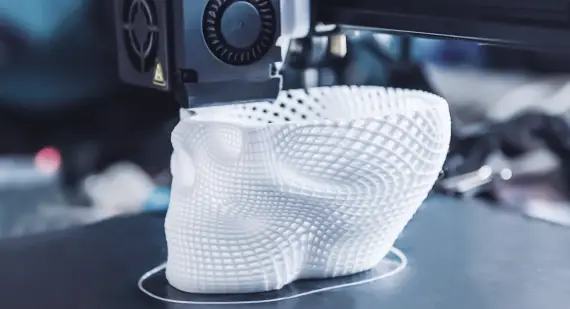
How 3D Printing Is Transforming Medical Tool and Equipment Production
3D‑printed medical tools can often be produced in days instead of weeks, allowing engineers to build parts on demand, refine designs qu...
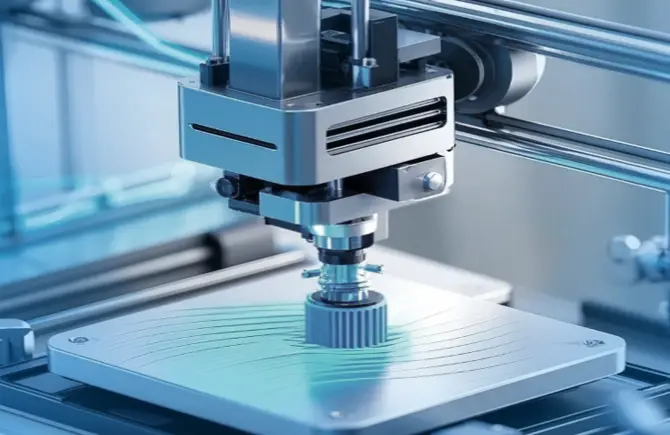
3D Printing is Making Patient Anatomy Easier to Visualize
Medical imaging technologies such as CT and MRI scans provide detail, but reviewing anatomy on a flat screen still has limitations. Sur...
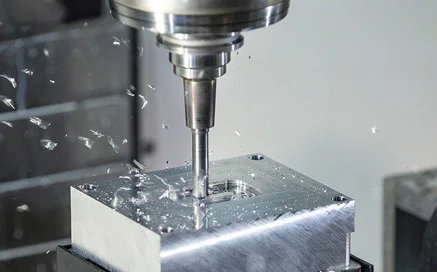
CNC Hole Design: Through, Blind, Tapped, and More
Holes might look like one of the simplest features in a part, but they can be tricky to machine because the cutting tool has to work in...
Soft vs. Hard Tooling: Injection Moulding Comparison Guide
While part design and material selection often receive the most attention, choosing between soft tooling and hard toolin...