

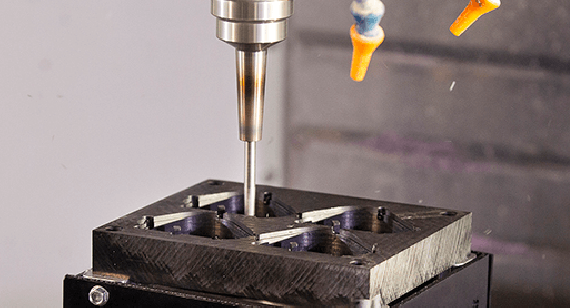
Design Validation with SOLIDWORKS: CNC Machining

In part one of our three‑part blog series, we looked at the rules of design for manufacturing (DFM) for the injection moulding process—...
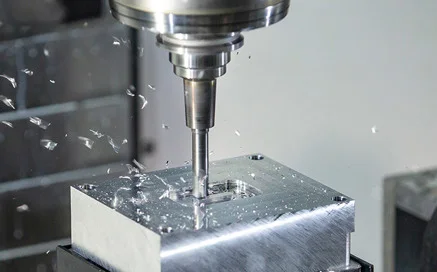
CNC Machining: 3-Axis vs. 5-Axis Indexed vs. 5-Axis Continuous
Conventional CNC machining consists of 3‑dimensional processing controlled by side‑side (X), front‑back (Y), and up‑down (Z) movements ...
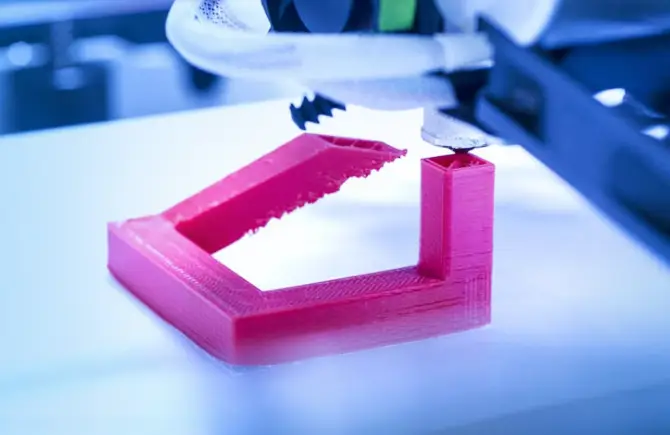
Adding Colour to 3D-Printed Parts with Painting and Dyeing
Once a 3D printing build is complete, there are a few steps we can take to improve the cosmetics and performance of the part. Our stand...
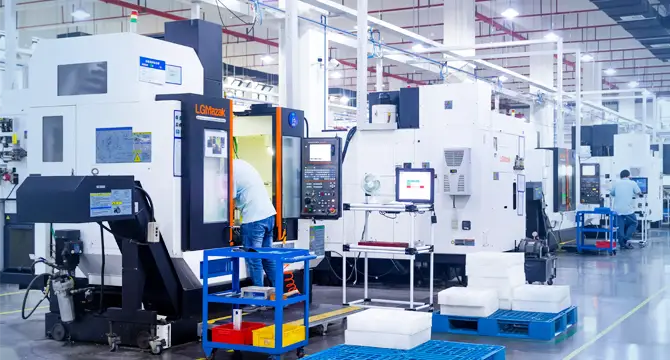
Precision Machining with DMG MORI & MAZAK
Welcome to the first in a planned series we are calling Executive Outlook , in which we will explore the current and future s...
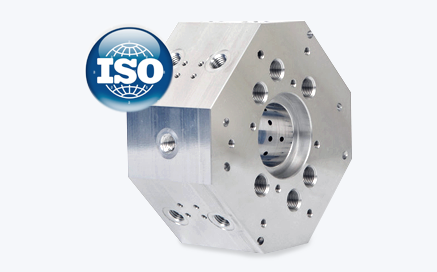
Why Your Parts Supplier Should be ISO 9001 Certified
Choosing a contract manufacturing supplier for your company is a critical decision. Certainly from a production standpoint, making sure...
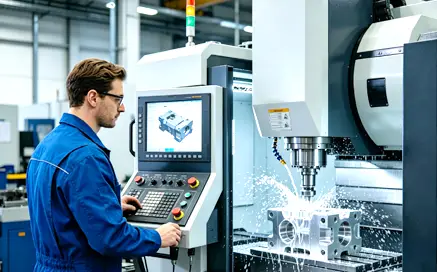
Less is More for Stanford Students Developing Liquid Rocket Engine
Project Helios is the first project of the Stanford Student Space Initiative to develop and build a liquid rocket engine. The name Heli...

Remove Before Flight: How Aerospace Companies Mitigate Risk
You may not have seen the little red tags in various places on an aircraft or launch vehicle before takeoff, but rest assured they are ...
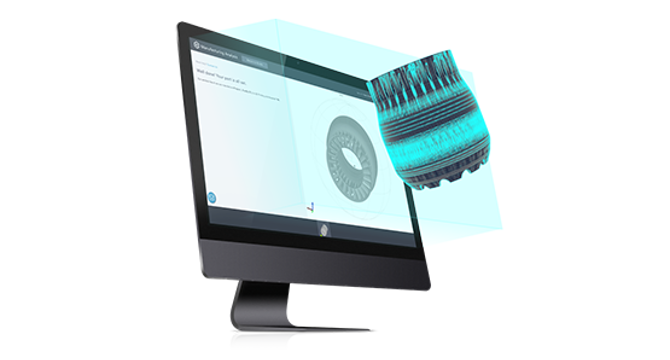
Lean Manufacturing in the Age of Digital
How digital manufacturing is transforming supply chains and accelerating product development
While the notion of lean manufacturing ...
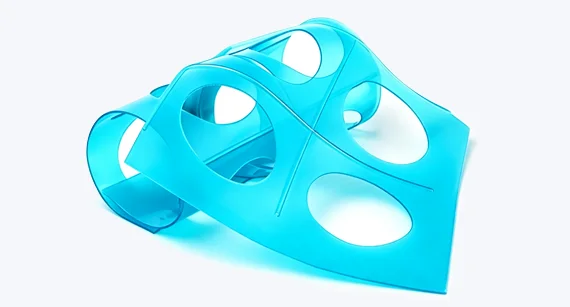
The Benefits of Using TPU in Elastomeric Part Designs
So, you are designing a part that requires flexibility and you need to choose a material. You might first spring to your familiar list ...
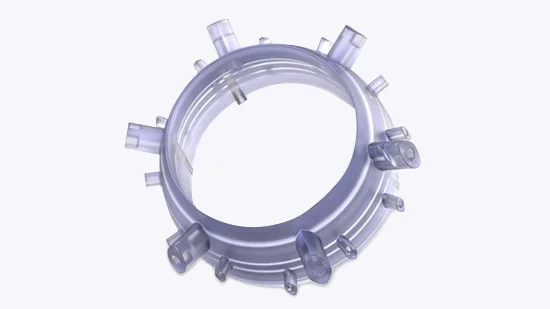
Optical Liquid Silicone Rubber: A New Fixture in Molding
We offer many manufacturing processes and materials for prototype and production parts. But one process has a material that separates i...