


How digital manufacturing is transforming supply chains and accelerating product development
While the notion of lean manufacturing has been the cornerstone of operational efficiency in manufacturing for several decades, it is the advent of digital manufacturing that is truly catapulting lean to another level. The digitalisation of processes along the entire continuum of the manufacturing supply chain—starting with a product’s design and development—is driving the next industrial revolution, often dubbed Industry 4.0.
Creating a digital supply chain—one that is more resilient to market risks as well as more responsive to opportunities—is essential to not only staying competitive but also further improving operational efficiencies. Many companies have already moved in this direction. According to recent industry surveys, a significant proportion of industrial companies have digitised their supply chains, with many more planning to do so in the near future. The reported benefits include a connected, smart, and highly efficient supply chain ecosystem, leading to greater top-line growth and bottom-line profitability.
At Konlida, our digital manufacturing platform integrates design analysis, quoting, and production planning into a seamless digital workflow—reducing lead times and improving supply chain responsiveness.
Mitigating Risk by Digitising the Front-End
The manufacturing supply chain really begins during a product’s development phase. Designing a product with manufacturability in mind, but also total production costs, can have significant cost benefits further down the supply chain. For instance, if you design a product that is difficult to affordably manufacture, that will surely drive its price up, thus negatively impacting its demand and consequently market acceptance. Knowing the manufacturability of your design during the prototyping phase, and understanding the eventual production costs from your chosen suppliers, can save a company unproductive development time and help it hit its production cost targets sooner.
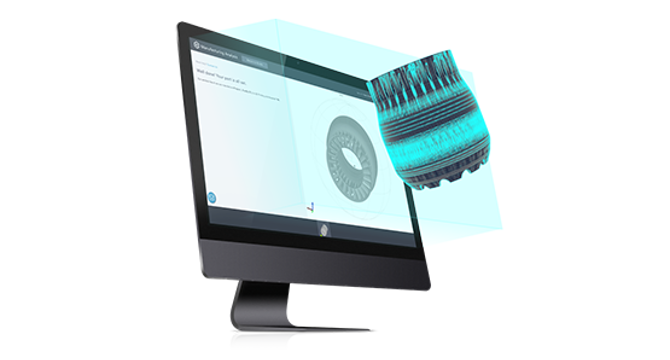
This is why companies deploy parallel prototyping efforts in an effort to test multiple designs simultaneously and determine the most viable option, from both functionality and production cost standpoints. Iterative development and rapid prototyping can happen quickly with automated CAD analysis tools. For instance, Konlida’s web-based software is able to analyse a CAD model, write its build code, and then virtually manufacture the part, giving design engineers near‑instant feedback on the manufacturability and production costs of their designs. This entire process is completely digital and can happen in as little as a few minutes.
For more on how digital manufacturing tools can accelerate development cycles, see our rapid prototyping guide and design for manufacturing toolkit .
Driving Revenue by Getting to Market Faster
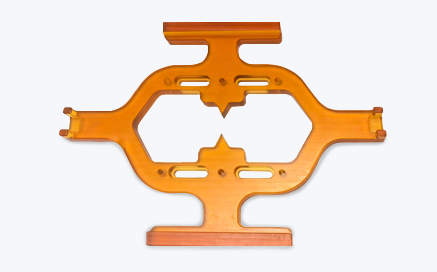
Finding the most cost‑effective and time‑efficient way to get to market once the design is validated naturally leads to an accelerated path to revenue. The automated nature of digital manufacturing—where the entire front‑end process of design analysis, quoting, and toolpathing happens with little to no human intervention—provides an inexpensive way to not only build the initial prototypes, but also a bridge tool, which is capable of producing end‑use parts in a matter of days.
So instead of waiting for a costly production tool to be ready—a process that usually takes several months—production‑grade parts can be moulded from a bridge tool, which reduces supplier lead times from several months to several days. The result is an accelerated path to market and, ultimately, revenue. In order to build a competitive supply chain, identifying and eliminating non‑value added activities in the procurement process, such as waiting for a production tool to be produced, become crucial. In addition to getting your product to market quicker, a bridge tool could also point to possible design flaws that may need modification prior to investing into a production tool, which further reduces risks associated with high‑volume production.
For a detailed comparison of tooling options and their impact on production timelines, see our aluminium vs. steel tooling guide .
Reducing Production Costs through On‑Demand Manufacturing
Embedding agility into the manufacturing supply chain allows companies to respond appropriately and swiftly to unforeseen market demands. According to supply chain leaders across the industry, supply chain organisations need to improve their ability to pivot quickly in response to changing market needs and expectations, making quick sprints to get results that add value, rather than large long‑term projects.
On‑demand manufacturing is a key enabler of this agility. Rather than committing to large production runs and holding extensive inventory, companies can produce parts as needed—reducing warehousing costs, minimising obsolescence risk, and responding more flexibly to demand fluctuations.
For more on how on‑demand manufacturing can reduce total cost of ownership, see our production services and understanding injection mould cost for parts and tooling guides.
Summary
| Lean Manufacturing Principle | Digital Manufacturing Enabler |
|---|---|
| Reduce waste | Automated DFM analysis identifies design issues before tooling begins |
| Accelerate time‑to‑market | Bridge tooling delivers production parts in days, not months |
| Improve quality | Digital inspection and process control ensure consistency |
| Respond to demand | On‑demand production aligns supply with actual customer needs |
| Reduce inventory | Produce parts only when needed, minimising stock holding costs |
Ready to Digitalise Your Supply Chain?
Konlida’s digital manufacturing platform can help you streamline product development, reduce time‑to‑market, and build a more resilient supply chain.