

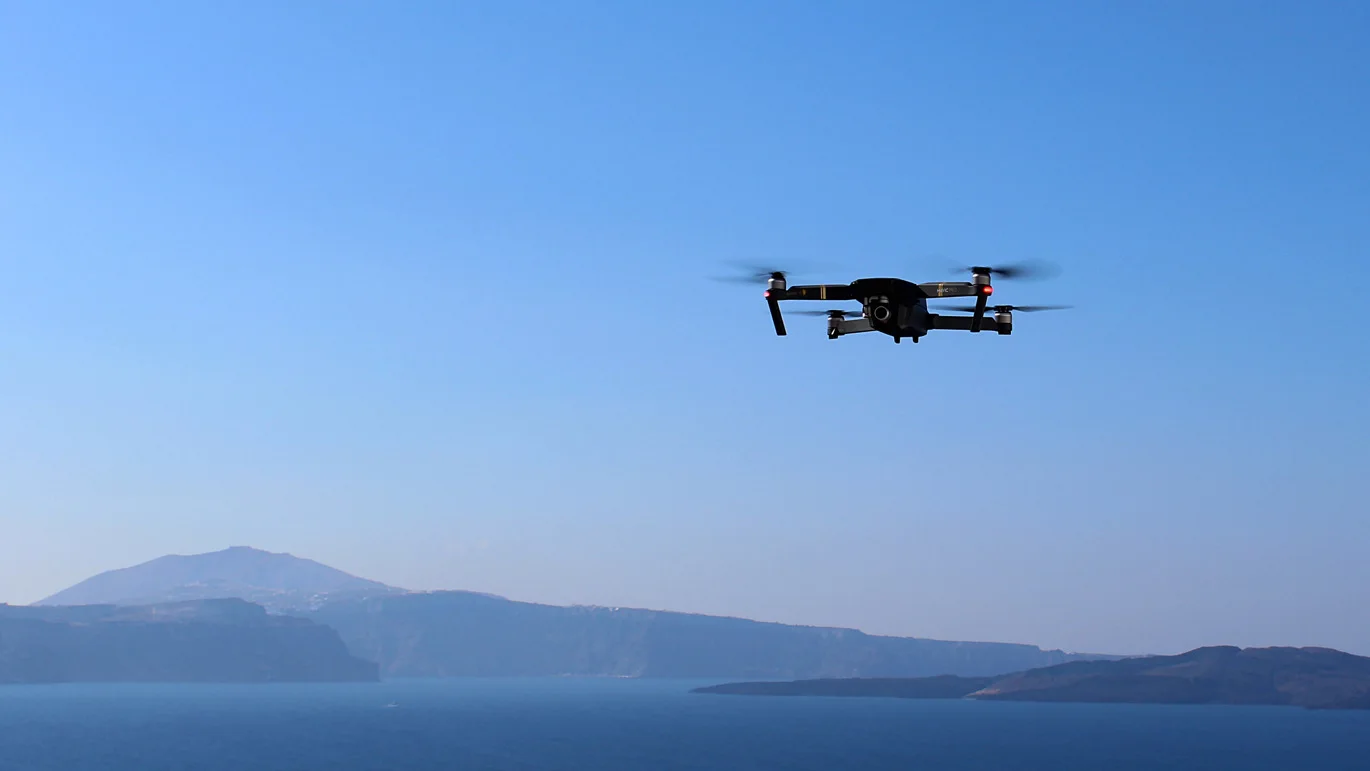

For commercial UAVs, every gram matters. Less mass means longer endurance, higher payload capacity, crisper stability, and better overall performance. Across construction, agriculture, oil and gas, public safety, and inspection, drone companies win by moving fast—iterating designs, validating in the field, and launching new platforms ahead of the pack. Weight reduction, driven by the right materials and manufacturing processes, is one of the most effective levers to get there.
Lightweighting is a mission multiplier: every gram removed cuts power draw, boosting endurance, range, and reserves without touching propulsion. The freed mass can go to sensors, batteries, or tools that expand capability, while structurally‑optimised light structures improve wind handling and vibration isolation, protecting electronics and raising reliability.
At Konlida, our CNC machining services , injection moulding capabilities , and 3D printing technologies support the entire UAV development lifecycle—from prototyping to pilot production—with the precision and repeatability that lightweight structures demand.
Material & Process Choices that Cut Mass
Carbon‑fibre laminates and hybrids deliver outstanding stiffness‑to‑weight for arms, booms, and monocoque airframes. By tailoring fibre orientation and mixing carbon with glass or aramid, teams can balance impact resistance, cost, and manufacturability. Where metals make sense, aluminium 6061 or 7075 offers a strong blend of strength and lightness for brackets and mounts; titanium excels when high strength, fatigue life, and corrosion resistance outweigh cost.
High‑performance polymers like PEEK and PEI (Ultem) , as well as glass‑ or carbon‑filled nylons, reduce weight while providing thermal stability and chemical resistance for covers, gimbals, and small mechanisms. In many moderate‑load components, reinforced polymers can replace metal, improving EM transparency and easing assembly.
For a comprehensive view of available materials, see our materials comparison guide .
Additive manufacturing is a powerful enabler of lightweighting. 3D printing supports topology‑optimised ribs, internal honeycombs, and organic geometries that put material only along load paths. It also consolidates assemblies into single parts, eliminating fasteners and overlapping interfaces that add mass and can loosen over time.
For a detailed comparison of additive technologies suitable for UAV components, see our MJF vs. FDM guide .
For injection‑moulded parts , thin walls paired with intelligent ribbing, gussets, and generous fillets maintain stiffness and avoid resonance without overbuilding. Across all processes, reducing hardware—through snap fits, captive features, and moulded‑in threads—saves both weight and assembly time.
Precision Makes Lightweighting Work
Lightweight designs rely on tight tolerances and consistent surfaces to assemble cleanly and perform as modelled. When parts are dimensionally accurate, engineers do not need to overbuild “just in case” or add shims and reinforcements to chase fit. For camera gimbals, motor mounts, gearbox interfaces, and aerodynamic housings, precision translates directly to lower vibration, better efficiency, and longer flight times.
For more on how precision and tolerancing affect part performance, see our understanding CNC machining tolerances guide.
How Konlida Helps Teams Fly Lighter, Faster
High‑quality, lightweight, and precise components for better flight performance. Commercial drone builders need dimensionally accurate, visually precise, lightweight parts to improve endurance, payload capacity, stability, and overall performance. Konlida supports them with high‑precision CNC machining, industrial 3D printing, injection moulding, and sheet metal fabrication, delivering repeatable quality on every order.
Teams gain access to multiple materials and processes ideal for flight structures, housings, brackets, gears, airframes, and mounts. With comprehensive quality management systems in place, we reduce rework and keep development on schedule—enabling faster iteration and faster time to market. Our quality certifications —including ISO 9001, AS9100D, and ISO 13485—provide the assurance that regulated industries require.
Speed is a competitive advantage. Commercial UAV companies depend on rapid design cycles to stay competitive, launch new platforms, and win contracts. Konlida accelerates that cadence with rapid part delivery and instant quoting with automated DFM feedback . Engineers can prototype, test, refine, and release products faster, often validating multiple design variants in parallel, so teams converge on lighter, more robust hardware in days, not weeks.
For a comprehensive overview of how digital manufacturing accelerates product development, see our rapid prototyping guide .
From Prototypes to Pilot Production — Without Supply Chain Risk
Many UAV programmes need to move from early prototypes to pilot production quickly, while maintaining resilience and consistency in their supply chains. Konlida provides prototype‑to‑low‑volume production support to scale hardware without disrupting launch plans. As a dependable supplier with global reach, we support local sourcing and help reduce exposure to global supply disruptions. Reliable delivery and tight process control ensure part availability through Engineering Validation Testing (EVT), Design Validation Testing (DVT), and Production Validation Testing (PVT), minimising delays during launch and ramp phases.
For more on how digital manufacturing enables seamless transition from prototyping to production, see our lean manufacturing in the digital age guide.
A Practical Playbook for Lightweight Success
Start with simulation—use FEA and topology optimisation to identify where material earns its keep—then translate the results into manufacturable features aligned to your chosen process and supplier. Co‑design geometry and manufacturing from the outset to avoid late‑stage redesign. Validate fast and refine faster: build, fly, measure, and iterate with rapid‑turn parts. Finally, lock in the tolerances and surfaces that matter most to performance, and avoid over‑tolerancing elsewhere to keep parts light, cost‑effective, and easy to assemble.
For guidance on designing for manufacturability across multiple processes, see our design for manufacturing toolkit .
The Takeaway
Lightweighting is an integrated approach to materials, geometry, and manufacturing. By pairing optimised designs with precise, repeatable production, commercial UAV teams unlock longer flights, larger payloads, and more stable platforms. Konlida brings the speed, quality, and process breadth to make that happen—turning ideas into flyable, lighter hardware in days and scaling to pilot production with confidence.
For more on how Konlida supports the aerospace and UAV industries, see our aerospace and defence solutions .
Ready to Make Your UAV Project Lighter and Faster?
Whether you are prototyping a new airframe or scaling to pilot production, Konlida’s precision manufacturing capabilities can help you achieve your weight and performance targets.