

3D Printing Design Optimization: Strength vs. Aesthetics

Designing for 3D printing often requires a careful balance between mechanical performance and visual quality. Understanding these trade...

Lighter by Design: How Optimised Materials Reduce Commercial UAV Weight
For commercial UAVs, every gram matters. Less mass means longer endurance, higher payload capacity, crisper stability, and better overa...
Thermoplastic Elastomers (TPE) for Injection Moulding
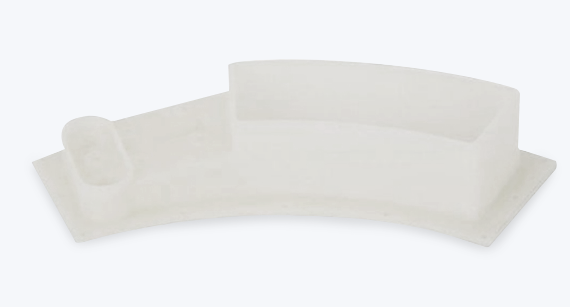
We sometimes get questions about how thermoplastic elastomers (TPEs) differ from thermoset elastomers and which of the variou...
How 3D Printing Is Transforming Medical Tool and Equipment Production
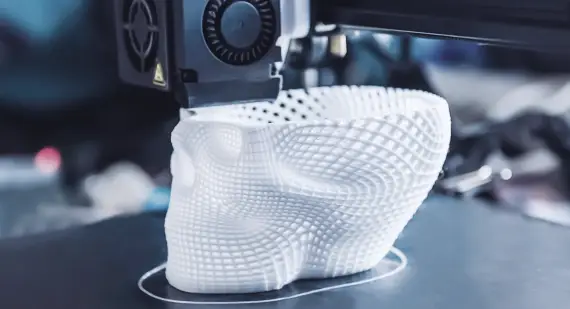
3D‑printed medical tools can often be produced in days instead of weeks, allowing engineers to build parts on demand, refine designs qu...
3D Printing is Making Patient Anatomy Easier to Visualize
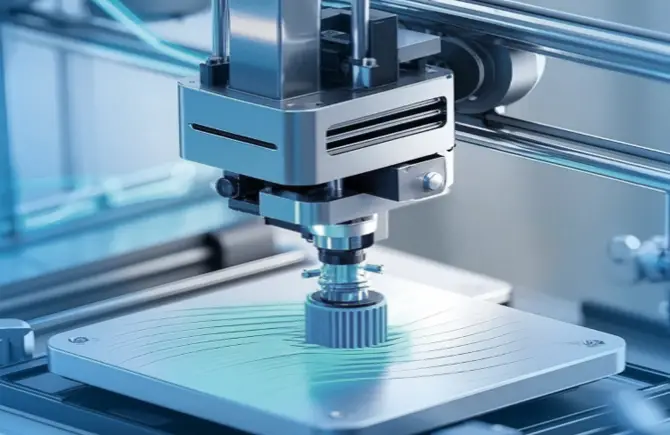
Medical imaging technologies such as CT and MRI scans provide detail, but reviewing anatomy on a flat screen still has limitations. Sur...
CNC Hole Design: Through, Blind, Tapped, and More
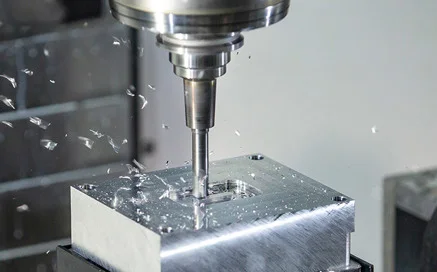
Holes might look like one of the simplest features in a part, but they can be tricky to machine because the cutting tool has to work in...
Soft vs. Hard Tooling: Injection Moulding Comparison Guide
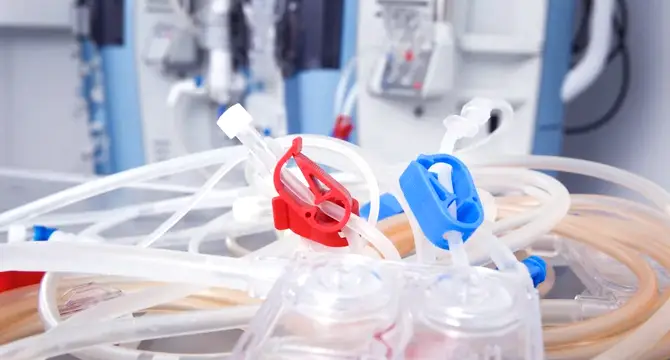
While part design and material selection often receive the most attention, choosing between soft tooling and hard toolin...
What Is G Code? CNC Programming and How It Works
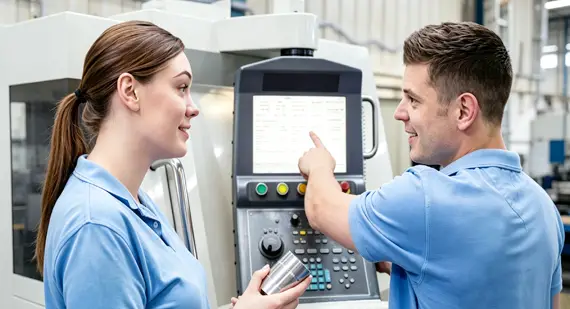
Learn what G code is, how your CAD model becomes CNC machine instructions, and where good design fits into the process
A CNC machine...
Mitigating Production Risk with Prototypes
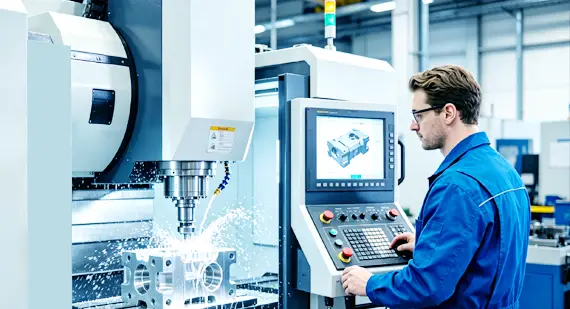
Editor's Note: The Engineerist is a three‑part blog series written by Michael Corr, founder of Los Angeles‑based manufacturing consulti...
The Characteristics of High-Temperature Thermoplastics
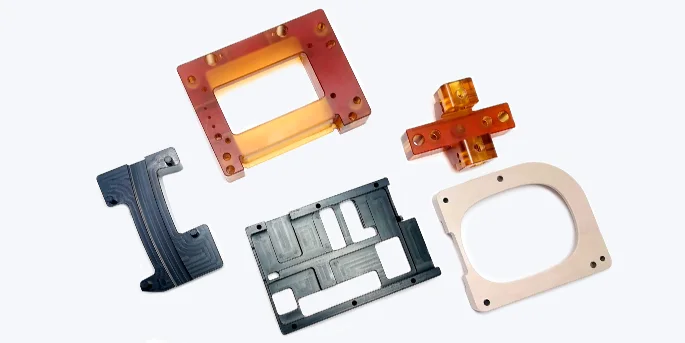
We offer two high‑temperature thermoplastics: PEEK and PEI . Both high‑performance materials can be machined and injection moulded, and...