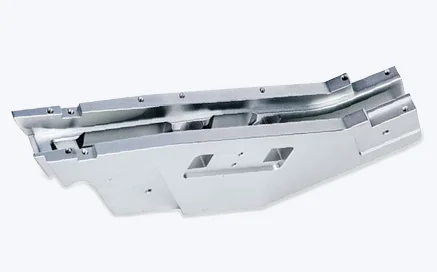
CNC Machining for Titanium
Titanium is a durable, strong metal with an exception strength-to-weight ratio
What is Titanium?
Titanium is a popular material for CNC machining due to its excellent strength-to-weight ratio, corrosion resistance, and biocompatibility. However, titanium presents unique challenges in machining due to its high strength, low thermal conductivity, and tendency to work harden during cutting.
Key Benefits
- High strength-to-weight ratio
- Corrosion resistance
- Biocompatibility (non-toxic)
- End-use finishing options
Titanium Machining Applications
Titanium has range of applications due to its advanced material properties. Frequently, you’ll find titanium parts in the aerospace, medical, military and marine industries.
- Compressor blades
- Discs
- Airframe and space capsule components
- Surgical equipment
- Pressure vessels

Finishing Options for Titanium
Anodizing is a common post-processing choice for titanium CNC parts. The anodizing process has a number of benefits:
- Increased corrosion resistance
- Minimal increase in weight
- Smooth surface reduces friction
- Enhanced appearance
Material Properties for Machined Titanium
| Material | Ultimate Tensile Strength | Elongation | Hardness | More Information |
|---|---|---|---|---|
| Titanium (6Al-4V) | 138 ksi | 14% | 36 HRC | Data Sheet |
CNC Machining Design Guide
In this guide to CNC machining, you'll learn how to create efficient, manufacturable metal and plastic parts for prototyping and production.
Related Resources
CNC Machining Materials
With a universe of metal and plastic options, let your machined parts function determine material.
Titanium vs Aluminum: Workhorse Metals for Machining and 3D Printing
Light weight and strength help aluminum and titanium excel for 3D-printed and machined parts.
Lightweight Yet Durable Titanium Great Option for Aerospace Parts
Titanium Grade 5 6Al-4V's strength and temperature, corrosion resistance make it an ideal material choice for aerospace and defense applications.