ABS CNC Machining Service
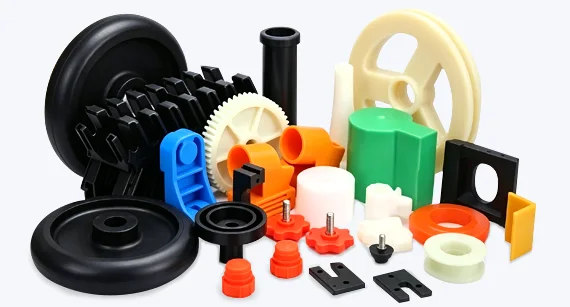
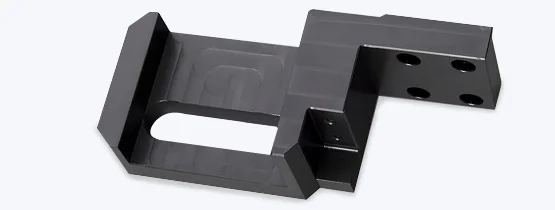
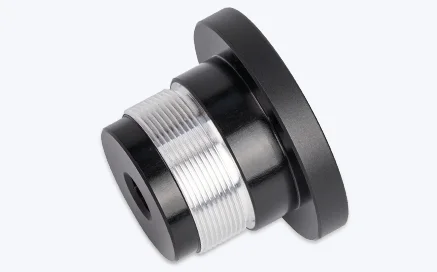
CNC Machined ABS parts are cost-effective, impact-resistant, and strong.
What is ABS?
ABS is a go-to versatile thermoplastic for machined prototypes and end-use parts due to its durability and low cost. It’s often chosen for structural applications when impact resistance, strength, and stiffness are required.
ABS Flame Retardant
We also offer ABS Flame Retardant, which has a slightly lower tensile strength and heat deflection than standard ABS but has an added benefit of flame resistance.

Common Industries and Applications for Machined ABS
ABS is often used in structural components in automotive, consumer goods, and electronics industries.
- Automotive components like dashboards, instrument panels, and center consoles
- Consumer product parts including vacuums, washing machines, and furniture
- Consumer electronics components like electrical enclosures and housings
Key Benefits of ABS:
- Impact resistance
- High strength and stiffness
- Easy-to-machine
- Cost-effective
Machined ABS Mechanical Properties
Design Guidelines for Machined ABS
| US | Metric | |
|---|---|---|
| 3-Axis Max. Part Size | 10 in. x 14 in. x 1.75 in. | 254mm X 356mm X 44.5mm |
| 5-Axis Max. Part Size | 10 in. x 7 in. x 3.75 in | 254mm X 178mm X 95.3mm |
| Tolerances | +/- 0.005 in | +/- 0.13mm |
| Min. Feature Size | 0.25 in. x 0.25 in | 6.35mm X 6.35mm |
CNC Machining Alternatives for ABS Parts
More Resources
CNC Machining Materials
With a universe of metal and plastic options, let your machined parts function determine material.
Resin 3D Printing: Use Cases and Key Benefits
Resin 3D printing describes a subset of manufacturing technologies that additively build parts by curing liquid resin.
Manufacturing Considerations for Plastic Prototyping
Discover if CNC machining, 3D printing, or injection molding is best for your plastic prototype.